
2026-10-11 ·
Temporary Roof Leak Fixes: Tarping & What NOT to Do
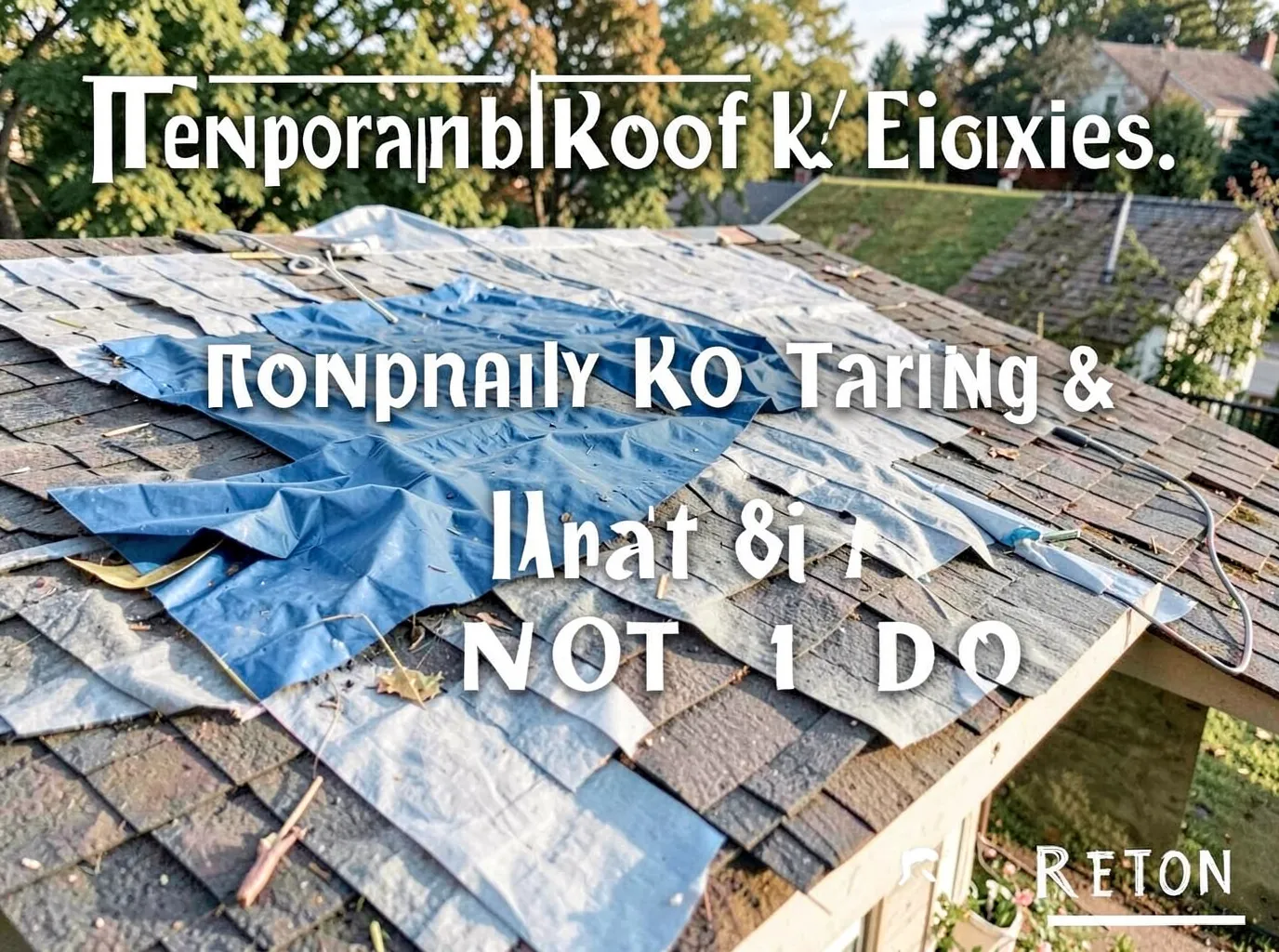
Tarping a roof leak in Renton can keep water out for 2-6 weeks when done right during the mild oceanic climate's wet winters, but it never replaces permanent repairs and often fails faster on older homes near Lake Washington or the Renton Boeing Plant.
When Temporary Tarping Fits Renton Conditions
Renton sees steady rainfall from October through March that drives leaks through aging asphalt shingles common in Downtown Renton, Talbot Hill, and Benson Hill. Tarping works best after windstorms or when a new leak appears suddenly and a full inspection must wait. Homeowners in Highlands or Kennydale often face this on 30- to 50-year-old roofs where flashing has failed around chimneys. The method buys time to schedule proper work without interior water damage spreading to ceilings or insulation. It does not address underlying issues like moss buildup or deteriorated underlayment that the wet climate accelerates. Once temperatures drop and freeze-thaw cycles begin, tarps can loosen and allow water under the edges.
Steps for Effective Emergency Tarping
Measure the affected area and extend the tarp at least 3 feet past the leak on all sides. Secure the top edge under the course of shingles above the damage so water flows over rather than under the tarp. Use furring strips and screws into rafters, not just nails, to withstand gusts that reach the area from Puget Sound. Slope the tarp to direct water into gutters or downspouts that empty away from the foundation. Check the setup after every heavy rain and tighten as needed. Avoid covering more than one or two squares unless the entire slope is compromised. These steps reduce the chance of wind lifting the tarp and creating new entry points for water.
What Not to Do When Tarping a Leak
Never staple a tarp directly to the roof deck without furring strips, as wind common in King County will tear it free within days. Do not let the tarp extend into the gutter line where it blocks flow and causes overflow behind the fascia. Avoid using cheap blue poly sheeting that degrades under UV exposure even in winter. Skipping the overlap under the upper shingles lets rain run behind the tarp and into the attic. Homeowners sometimes cover vents or ridge lines, which traps moisture and worsens interior humidity. Placing weights such as sandbags on the tarp without securing the edges creates sagging pockets that collect water and pull the material loose.
Moving from Tarping to Permanent Repair
After the tarp is in place, schedule a full roof leak detection and inspection to locate every entry point before the next storm. Many leaks in Tukwila or Bellevue homes trace to the same weather events that hit Renton, yet temporary fixes often hide the full scope. Once the rain stops, remove the tarp promptly so inspectors can see the actual damage. Continuing to rely on tarps through multiple seasons leads to rotted sheathing that raises repair costs significantly. For active leaks that return during hard rain, review why water enters only under pressure in this related guide. Contact a local crew based in Renton for emergency roof tarping when the leak threatens living spaces.